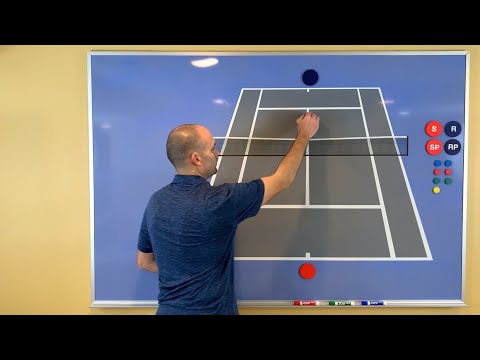
5 Simple Singles Strategies
Why this matters: Compact overview of five immediately usable singles strategy patterns for recreational players — cuts straight to the tactics without filler. Source: 2MinuteTennis
5 Simple Singles Strategies Read More »
For Tennis Players
Training ideas, match strategy, and practical coaching guidance for players who want to compete with more clarity and confidence.
Core stroke foundations to anchor the player path.
High-signal mechanics lessons for immediate practice focus.
Tactics, topspin, and net skills that carry into real points.
Manage nerves, sharpen focus, and perform your best when it counts.
Understand your level, break through plateaus, and build a smarter improvement path.
Why this matters: Compact overview of five immediately usable singles strategy patterns for recreational players — cuts straight to the tactics without filler. Source: 2MinuteTennis
5 Simple Singles Strategies Read More »

Why this matters: Consistent power and placement under competitive pressure — the 4.5 women’s level shows the skills that separate a strong club player from a truly advanced competitor, typically former varsity and college players. Source: USTA
USTA NTRP 4.5 Women — What That Level Looks Like Read More »

Why this matters: Tournament-caliber play with strong tactical execution under pressure — the 5.0 women’s level is the top tier of recreational league competition, giving aspiring players a precise picture of the standard to reach for. Source: USTA
USTA NTRP 5.0 Women — What That Level Looks Like Read More »

Why this matters: Developing directional control and basic strategy — the 3.0 women’s level is where most recreational club players compete. A clear target for players in their first two years of organized competition. Source: USTA
USTA NTRP 3.0 Women — What That Level Looks Like Read More »

Why this matters: Solid groundstrokes with approach shots and net presence — the 3.5 level is the most competitive recreational tier for women’s USTA play. The most useful benchmark for club players targeting their next rating. Source: USTA
USTA NTRP 3.5 Women — What That Level Looks Like Read More »

Why this matters: Consistent shot-making with tactical awareness and court coverage — the 4.0 women’s level is the most aspirational target for advancing club players, showing exactly what that standard looks and feels like. Source: USTA
USTA NTRP 4.0 Women — What That Level Looks Like Read More »

Why this matters: Tournament-caliber play with strong tactical awareness and consistent shot-making under competitive pressure — the 5.0 level is the top tier of recreational league competition, typically populated by former college players and open-level competitors. Source: USTA
USTA NTRP 5.0 Men — What That Level Looks Like Read More »

Why this matters: Consistent groundstrokes but limited directional control and net play — the 2.5 level is where most beginners plateau. The women’s benchmark clarifies exactly what that standard looks like in competitive play. Source: USTA
USTA NTRP 2.5 Women — What That Level Looks Like Read More »

Why this matters: Solid groundstrokes with developing approach shots and net presence — the 3.5 level is the most competitive tier for recreational club players in the US. Knowing what it looks like sets a concrete and achievable improvement target. Source: USTA
USTA NTRP 3.5 Men — What That Level Looks Like Read More »

Why this matters: Consistent power and placement under pressure, strong court coverage — the 4.5 level is typically where former high school varsity and college players still actively competing settle. The clearest window into what separates a serious club player from a truly advanced one. Source: USTA
USTA NTRP 4.5 Men — What That Level Looks Like Read More »

Why this matters: Developing directional control and basic strategy — the 3.0 level is where most recreational club players in the US compete. This is the benchmark most beginners aspire to in their first two years of serious play. Source: USTA
USTA NTRP 3.0 Men — What That Level Looks Like Read More »

Why this matters: The entry point for competitive USTA league play — the 2.0 level establishes the baseline standard for organized tennis. Essential if you’re new to competition or helping a beginner understand where they fit. Source: USTA
USTA NTRP 2.0 — What That Level Looks Like Read More »

Why this matters: Consistent groundstrokes but limited directional control and net play — the 2.5 level is where most beginners plateau. Seeing it clearly makes it easy to identify the specific gaps worth working on. Source: USTA
USTA NTRP 2.5 Men — What That Level Looks Like Read More »